
01
Capacity-led opportunity
A 5 TPD Bio-CBG configuration is a strong starting scale for municipal, industrial and agri-linked waste streams seeking commercial CBG output.
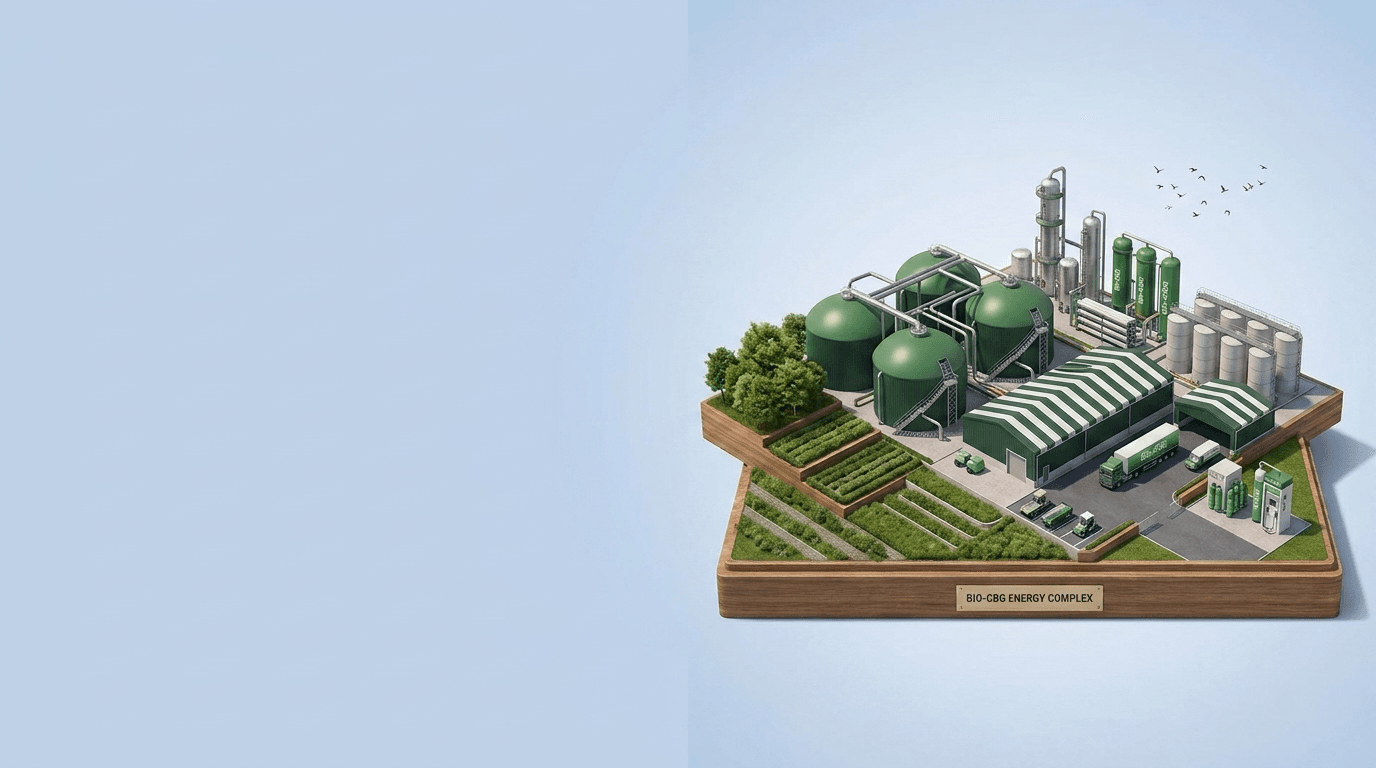
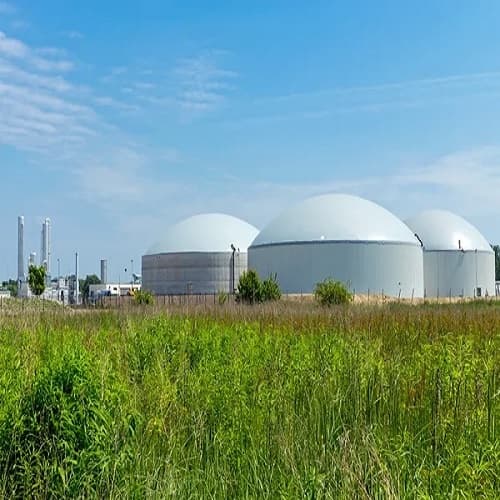
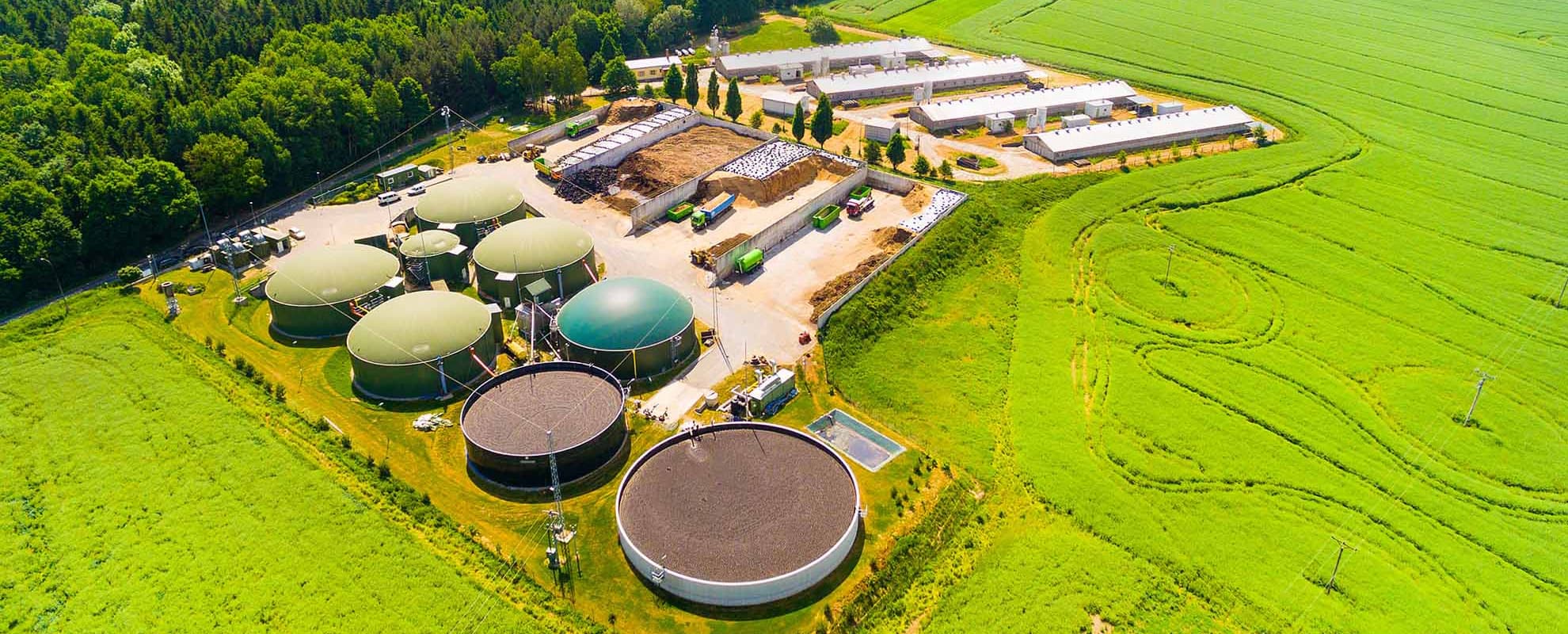
Bio-CNG plants designed for high-efficiency conversion of organic waste into clean, renewable CNG. From feedstock assessment to plant engineering and commissioning, every system is designed with reliability, efficiency, and scalability in mind.
Subsidies Detail
Bio-CBG projects designed around a practical 5 TPD pathway can unlock substantial subsidy and incentive support — helping improve project bankability when configured to eligible scheme requirements.
Highlight opportunity
5 TPD → UPTO 20 CR
SUBSIDIES
Final subsidy eligibility and amount depend on applicable government schemes, project configuration, documentation and statutory approvals.
A 5 TPD Bio-CBG configuration is a strong starting scale for municipal, industrial and agri-linked waste streams seeking commercial CBG output.
Project structuring, documentation and engineering alignment help position your plant for applicable central and state incentive pathways.
Eligible projects can target subsidy support of up to ₹20 crore, subject to scheme guidelines, approvals and final project qualification.
Soham Renewable supports feedstock assessment, plant engineering and project packaging so technical and commercial cases move together.
Engineering Depth
We don't treat the Bio-CNG plant as a single machine. We engineer the complete system — from feedstock handling and digestion through gas purification, compression, and CNG filling.
Engineering
Feedstock characteristics, availability, consistency and biodegradability determine the plant design. Our process starts with understanding the actual feedstock before selecting technology and equipment.
Build
In-house fabrication and integrated manufacturing capabilities enable better control over equipment quality, integration, and project execution.
Performance
Plant commissioning and operational support are focused on achieving consistent performance, reliability, gas quality, and long-term plant efficiency.
One Connected System
Every stage of the Bio-CNG conversion process is connected. Better integration means better control, improved reliability, and stronger long-term performance.
Feedstock
Ensure the right quantity and quality of organic feedstock is available for consistent plant operation.
Digestion
Maintain stable biological conditions so the digestion process remains predictable and efficient.
Gas
Control the gas purification process to consistently achieve the required Bio-CNG quality.
Energy
Efficiently upgrade biogas into high-quality biomethane suitable for compression and CNG applications.
Delivery
Compress, store and dispatch Bio-CNG safely with reliable downstream infrastructure and operational controls.
Bio-CNG Feedstock Dependency
The consistency and quality of feedstock directly influence plant performance. Understanding the daily availability, moisture, organic content and characteristics of the feedstock is essential before designing the plant.
Cow dung
Food waste
Press mud
Municipal waste
MSW organic fraction
The actual gas and CNG output depends on feedstock composition, organic content, moisture, process efficiency and operating conditions.
Purification focus
Quality is controlled at every upgrading stage.
Purification That Protects Value
At every stage of the gas purification process, we control the parameters that affect gas quality. The objective is to consistently achieve the required biomethane quality while protecting equipment and improving operational reliability.
01 / Gas Quality
Protect downstream equipment and ensure gas quality by removing moisture and H₂S to the required levels.
02 / Efficiency
Advanced biogas upgrading technology separates unwanted gases and increases methane concentration to produce high-quality biomethane.
03 / Verify
Continuous monitoring and verification ensure that the final product meets required specifications and remains consistent during operation.
From Opportunity to Operating Asset
A structured delivery framework eliminates uncertainty between feasibility, engineering, construction, commissioning and operations. Every phase is connected to the next.
Assess
Feedstock assessment, project feasibility, preliminary calculations and commercial evaluation.
Build
Detailed process design, equipment selection, plant engineering and project planning.
Deliver
Equipment manufacturing, plant construction, installation, integration and commissioning.
Operate
Operations support, performance monitoring, optimisation and long-term technical assistance.
Clarity Before Capital
A structured project assessment helps identify technical, operational and commercial risks before significant capital is committed.
01 / 05 answered
Bio-CNG plants can process different types of organic feedstocks depending on their characteristics, availability and biodegradability.
Project viability depends on feedstock availability, plant capacity, gas yield, operating costs, market demand and available incentives.
Eligibility depends on the project configuration, applicable government guidelines, approvals and scheme requirements.
Capacity is evaluated based on feedstock quantity, composition, organic content, expected biogas yield, methane recovery and plant efficiency.
Turnkey services can cover feasibility, engineering, manufacturing, construction, commissioning and operational support.
Start With a Project Review
Share your feedstock, location and project details with us. Our engineering team can help evaluate the opportunity and determine the right technical approach.